Bill Baggs Cape Florida State Park & Banding Station Field Trip 2026
September 20, 2026 • Bill Baggs Cape Florida State Park • Story and Photos by Ana Lima
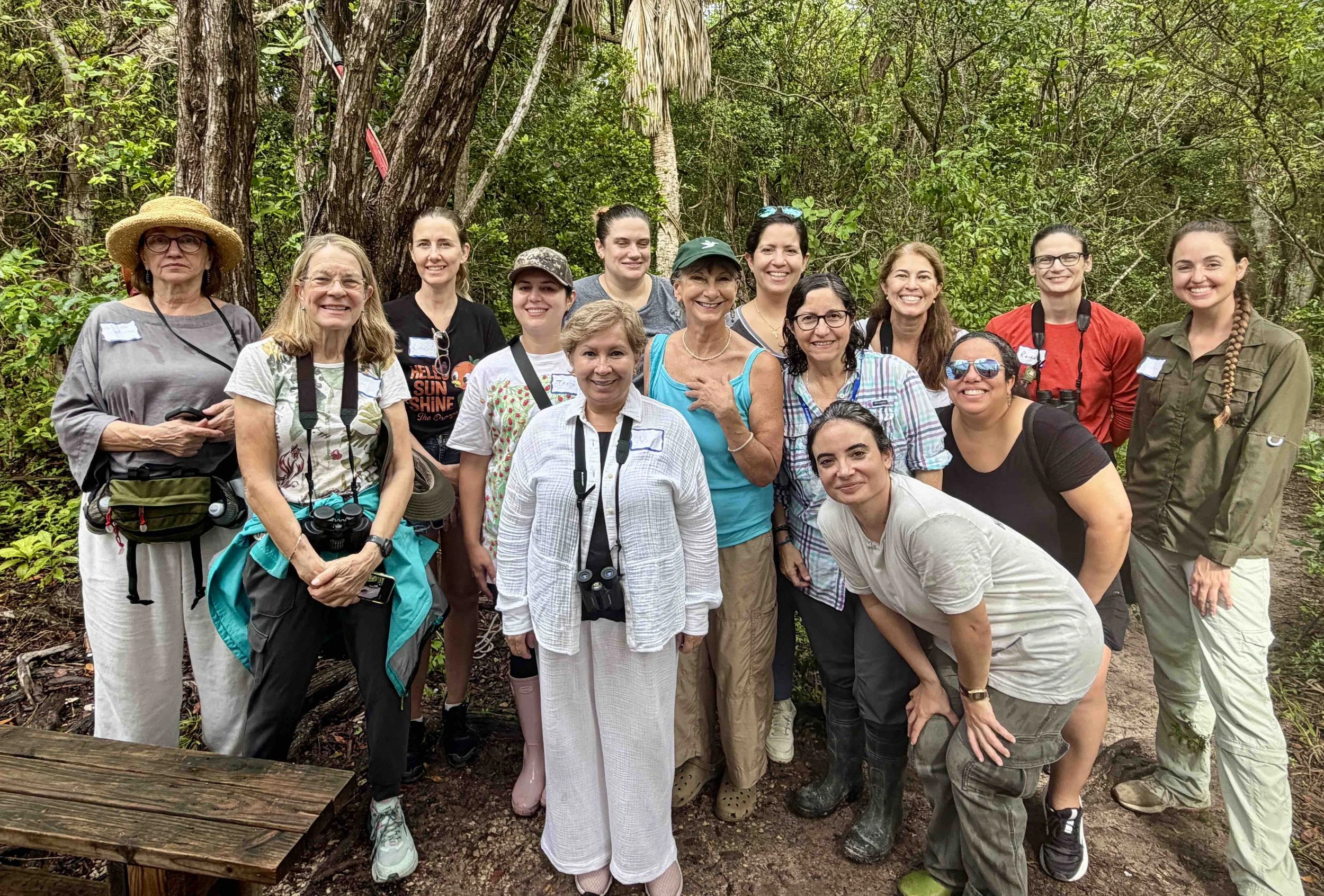
On the drizzly fall morning of September 20, a group of Phoebes gathered at Bill Baggs Cape Florida State Park for one of our favorite migration-season outings: a visit to the Cape Florida Banding Station.
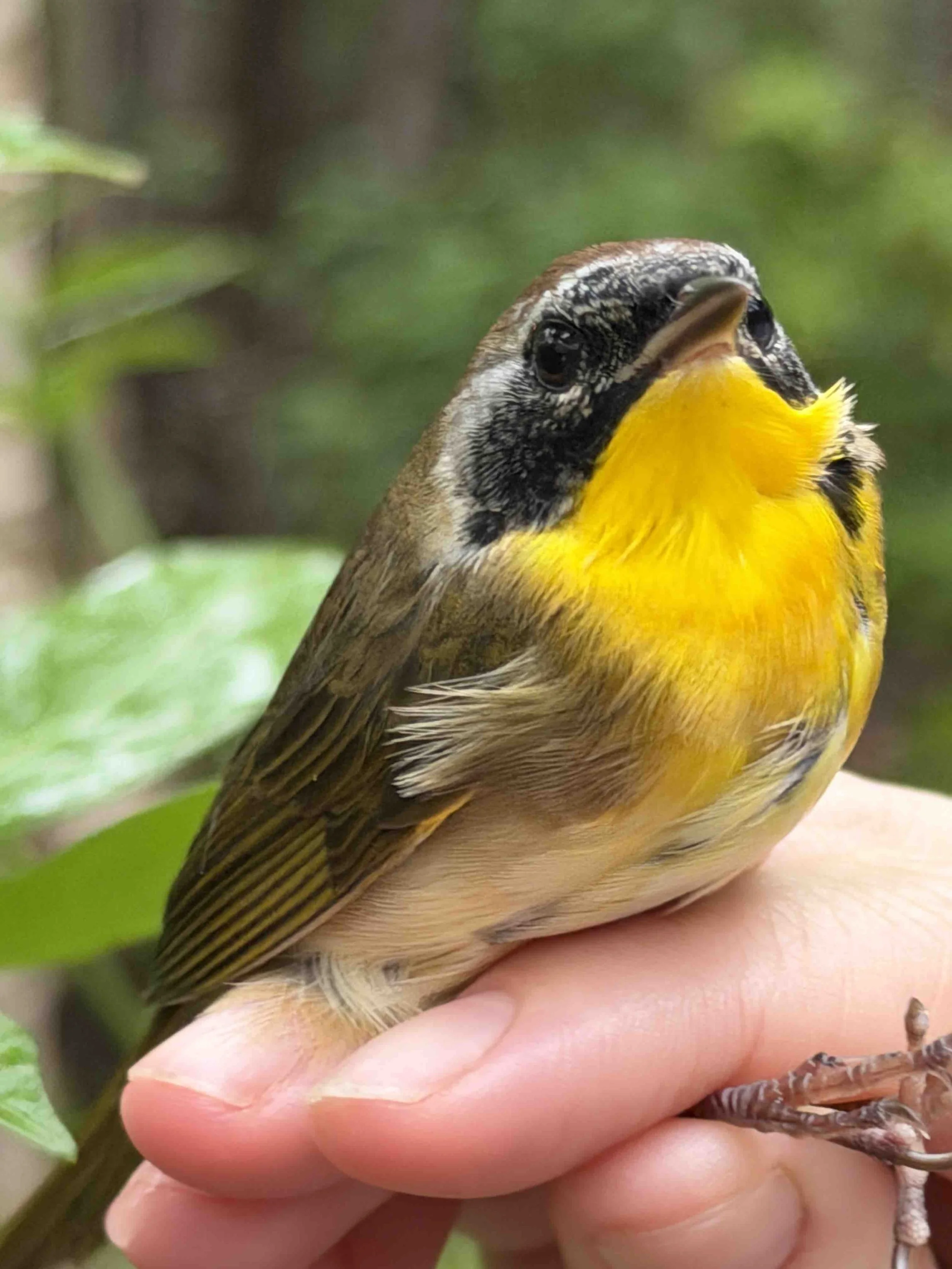
Even before reaching the station, the morning was already delivering birds. During our stroll through the park, we spotted several migrants moving through the vegetation, including an Ovenbird and a Common Yellowthroat — a fitting preview of what was to come.
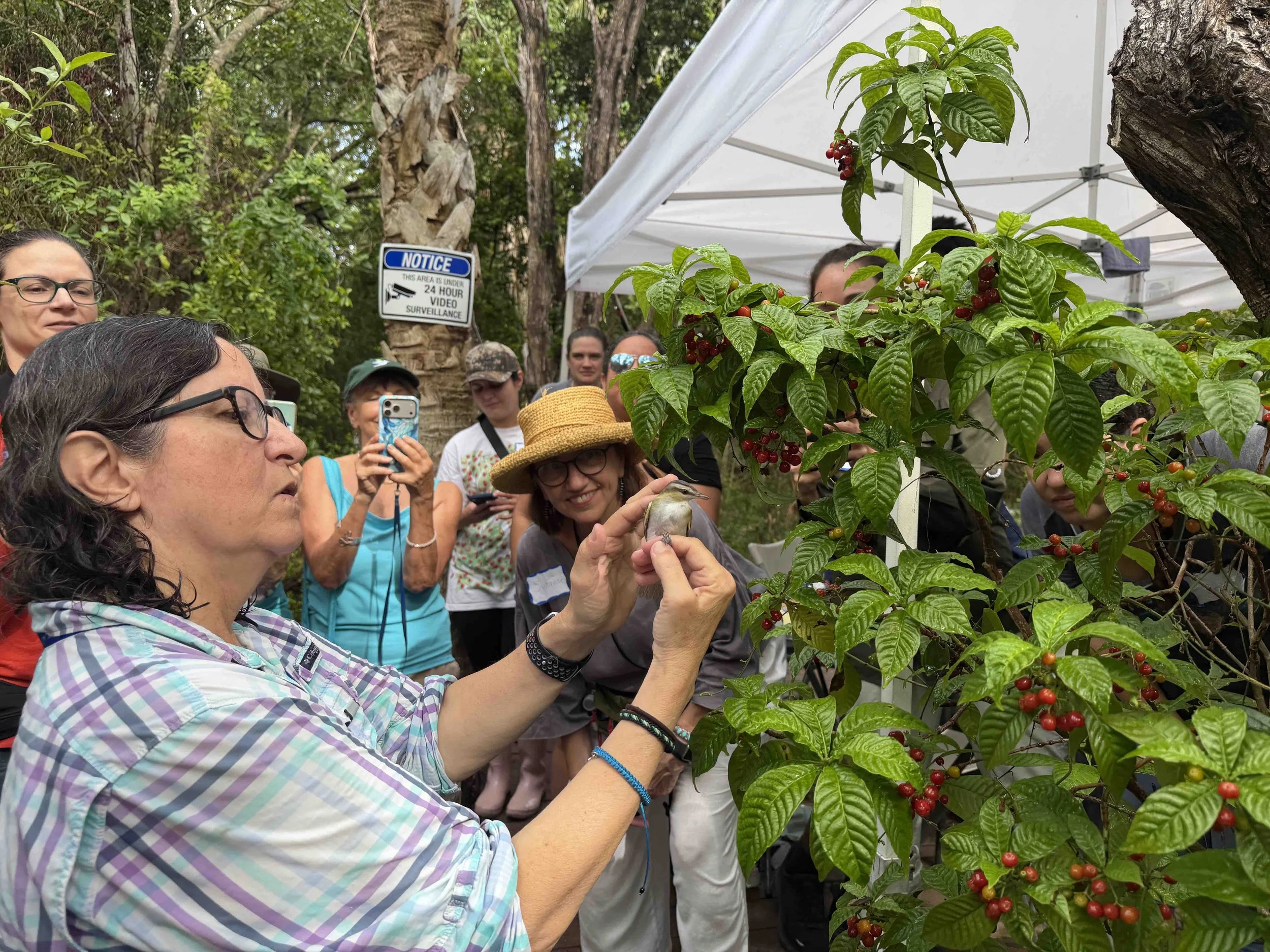
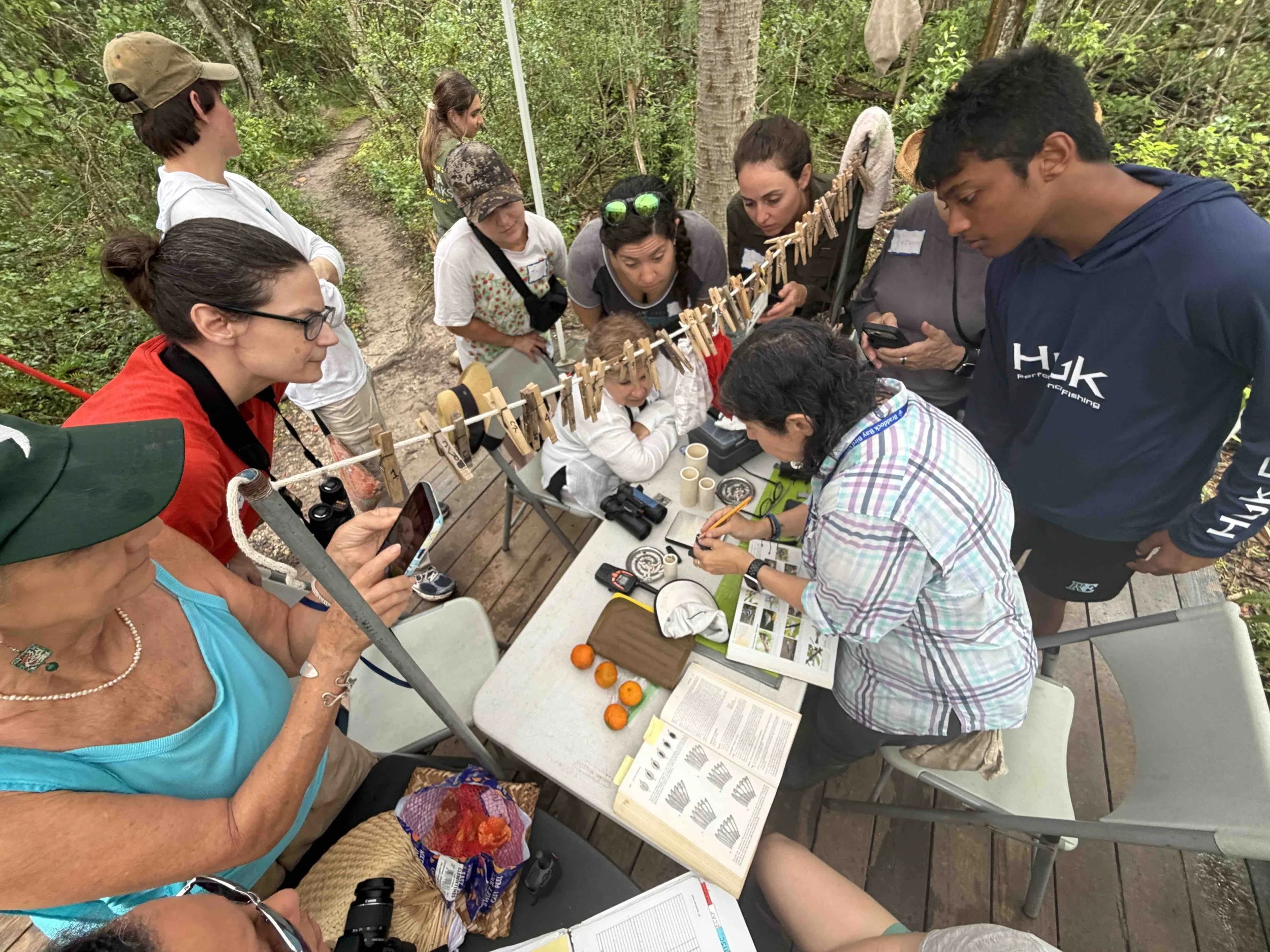
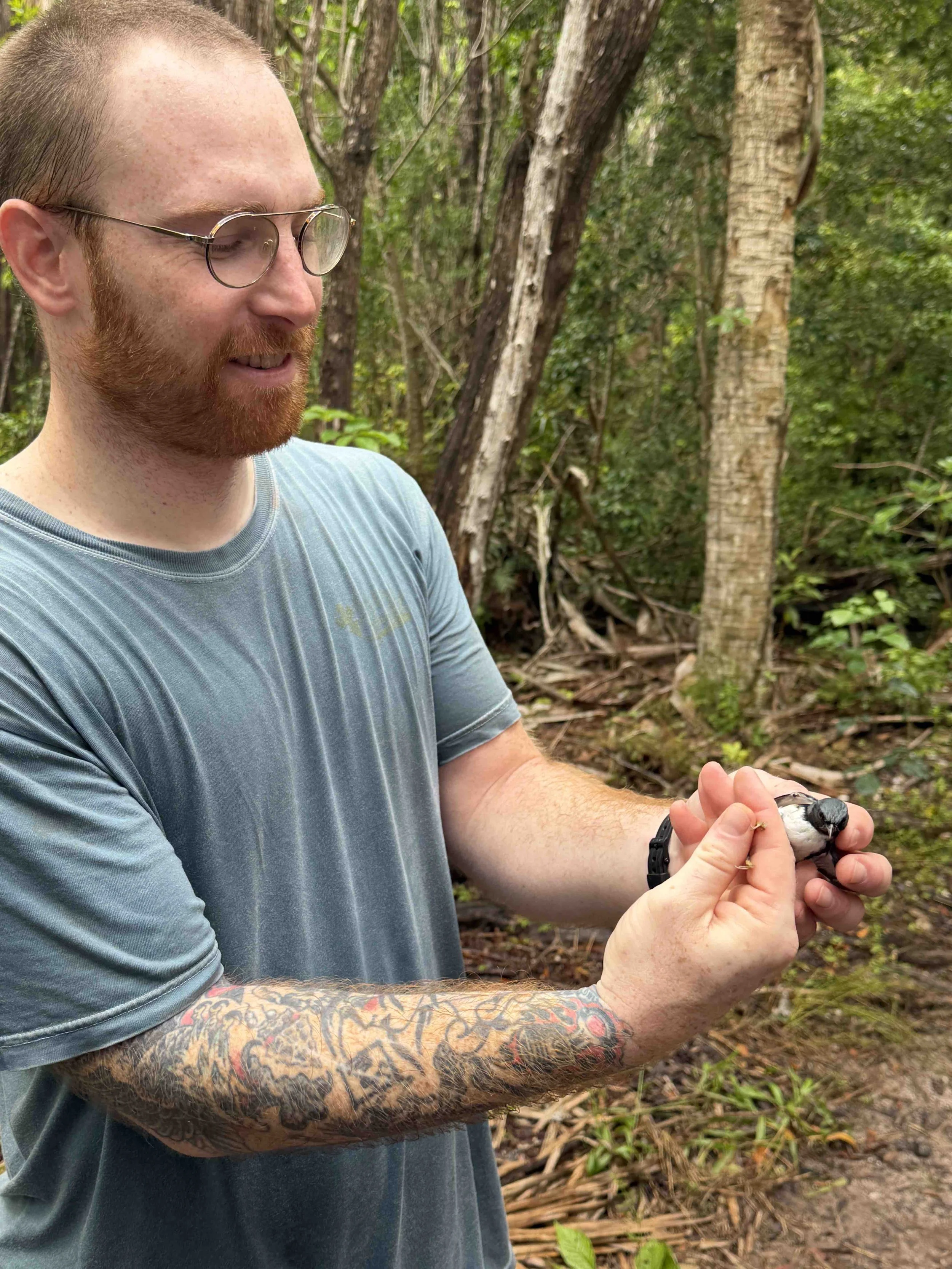
At the banding station, experienced master bander Miriam Avello demonstrated and discussed the banding process, explaining how trained banders carefully examine, measure and band migratory birds before releasing them back into the surrounding tropical hardwood hammock. Her insights gave the group a fascinating behind-the-scenes look at how banding contributes to our understanding of bird migration and conservation.
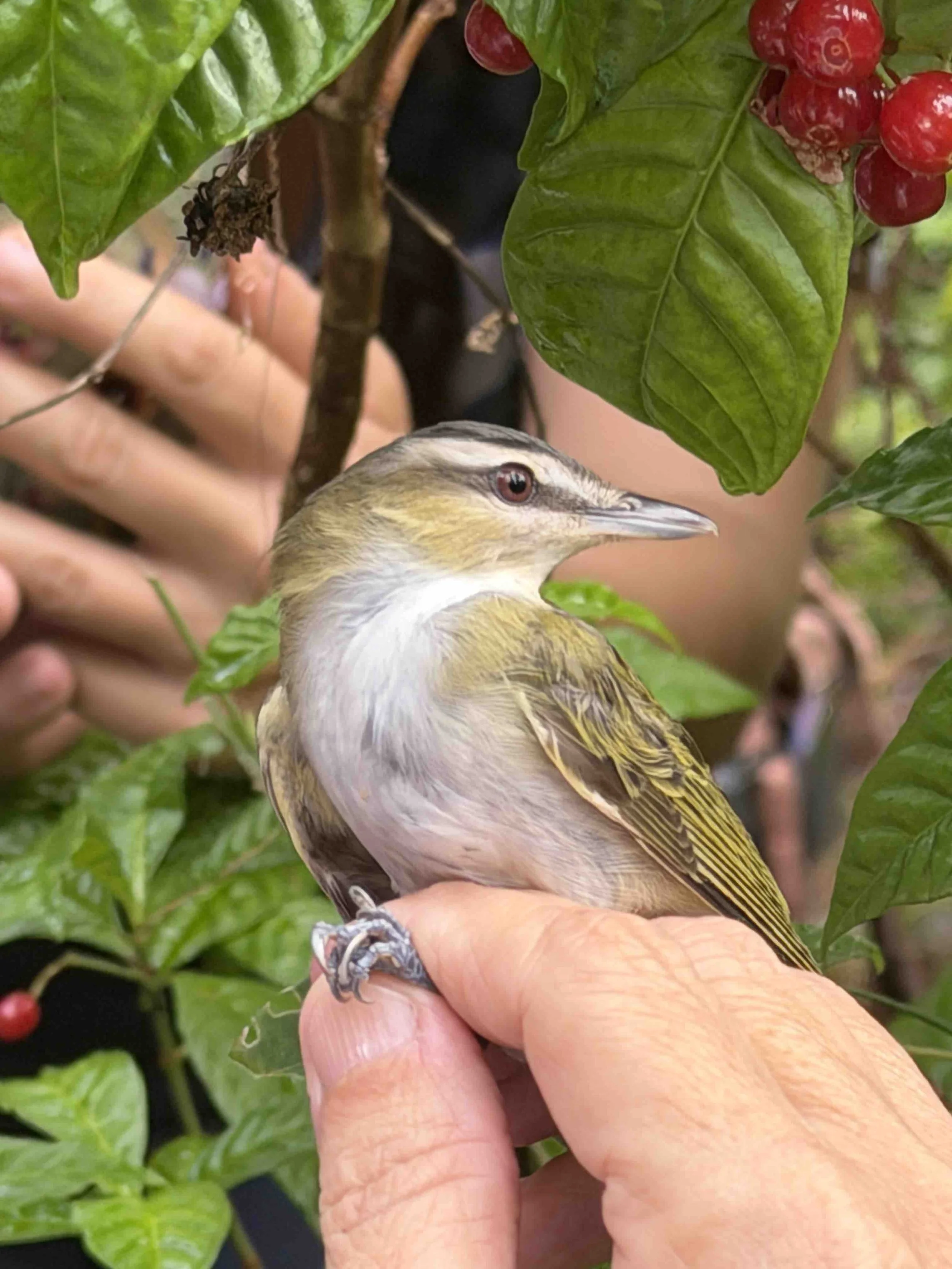
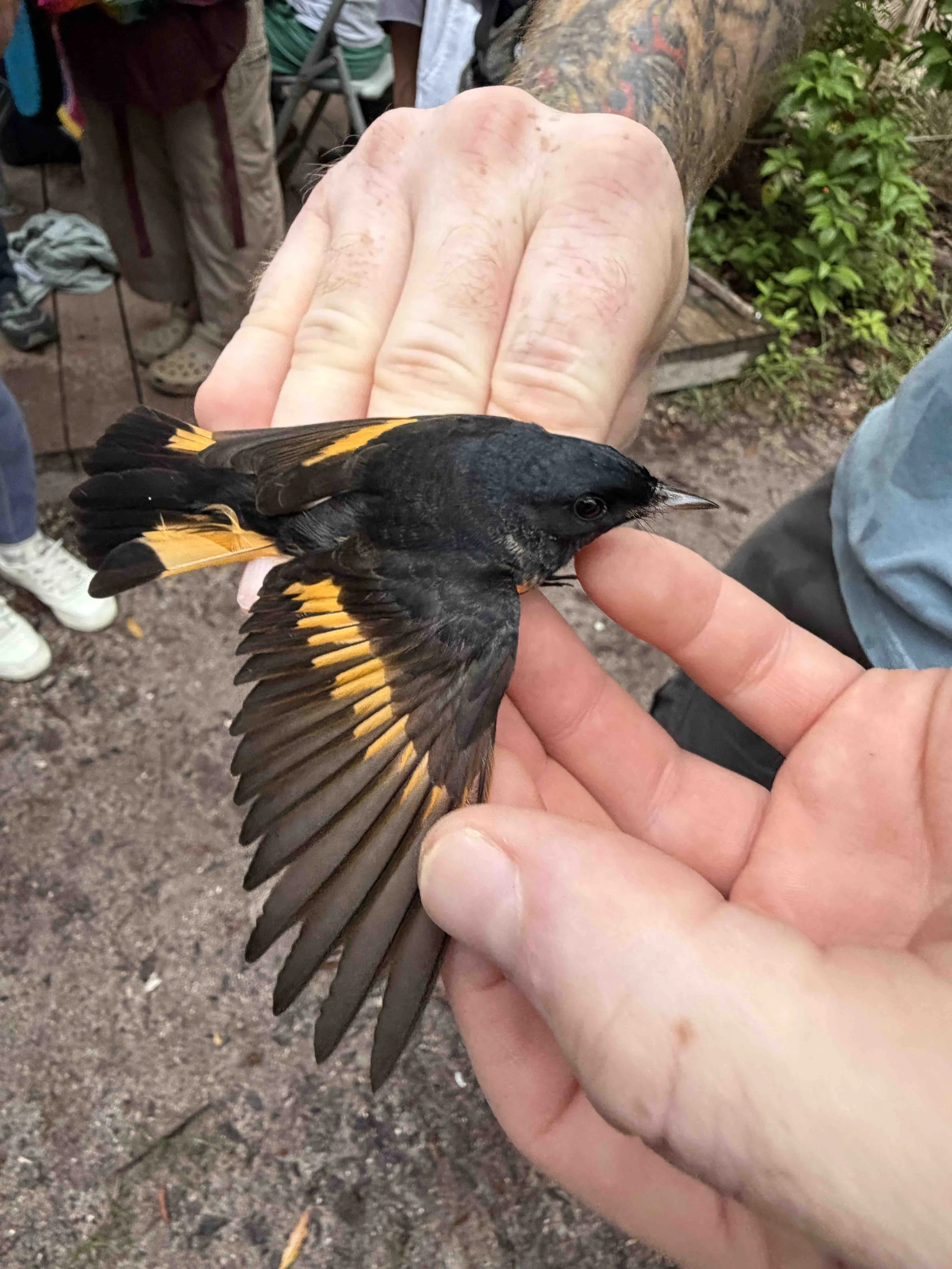
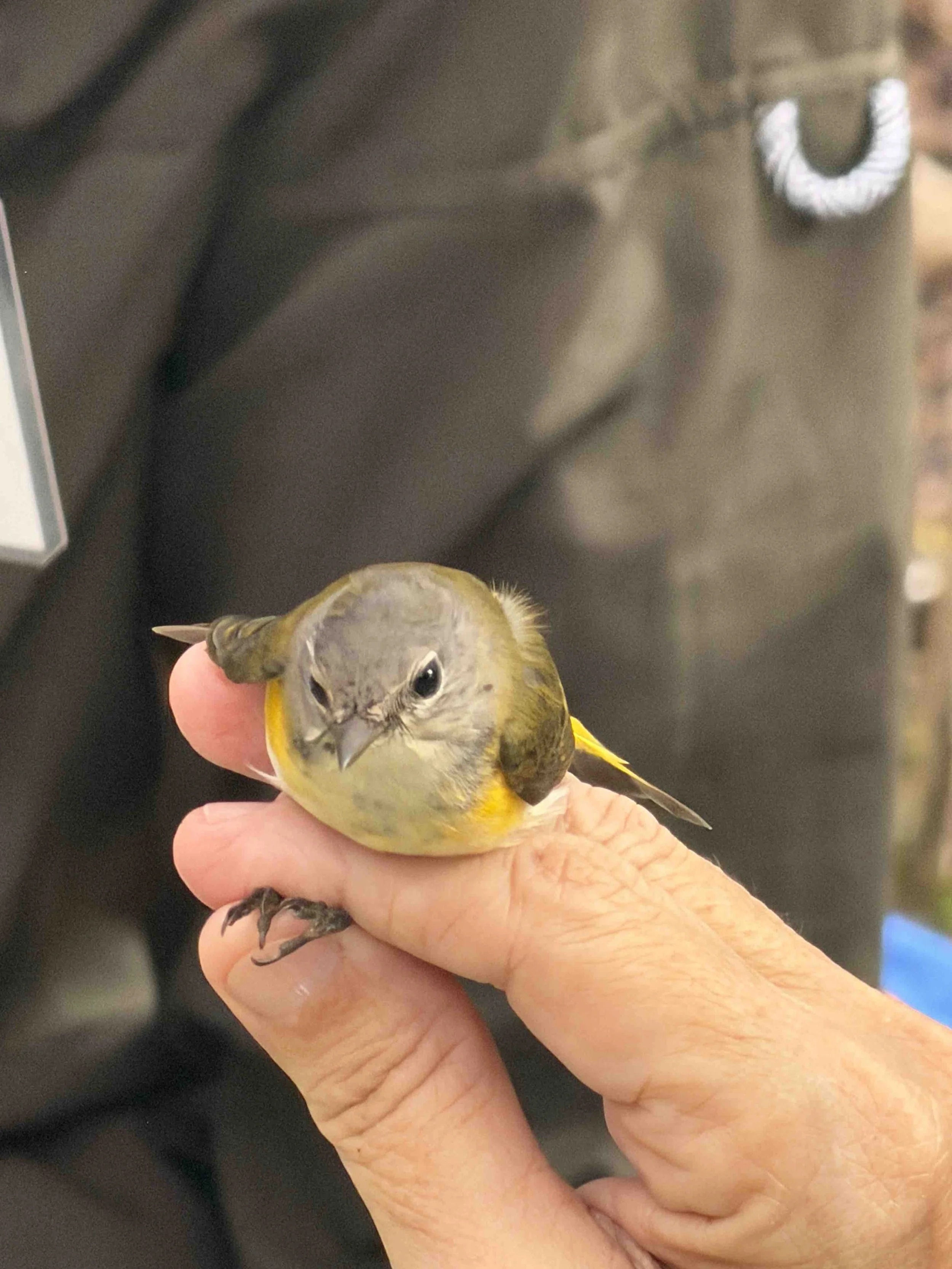
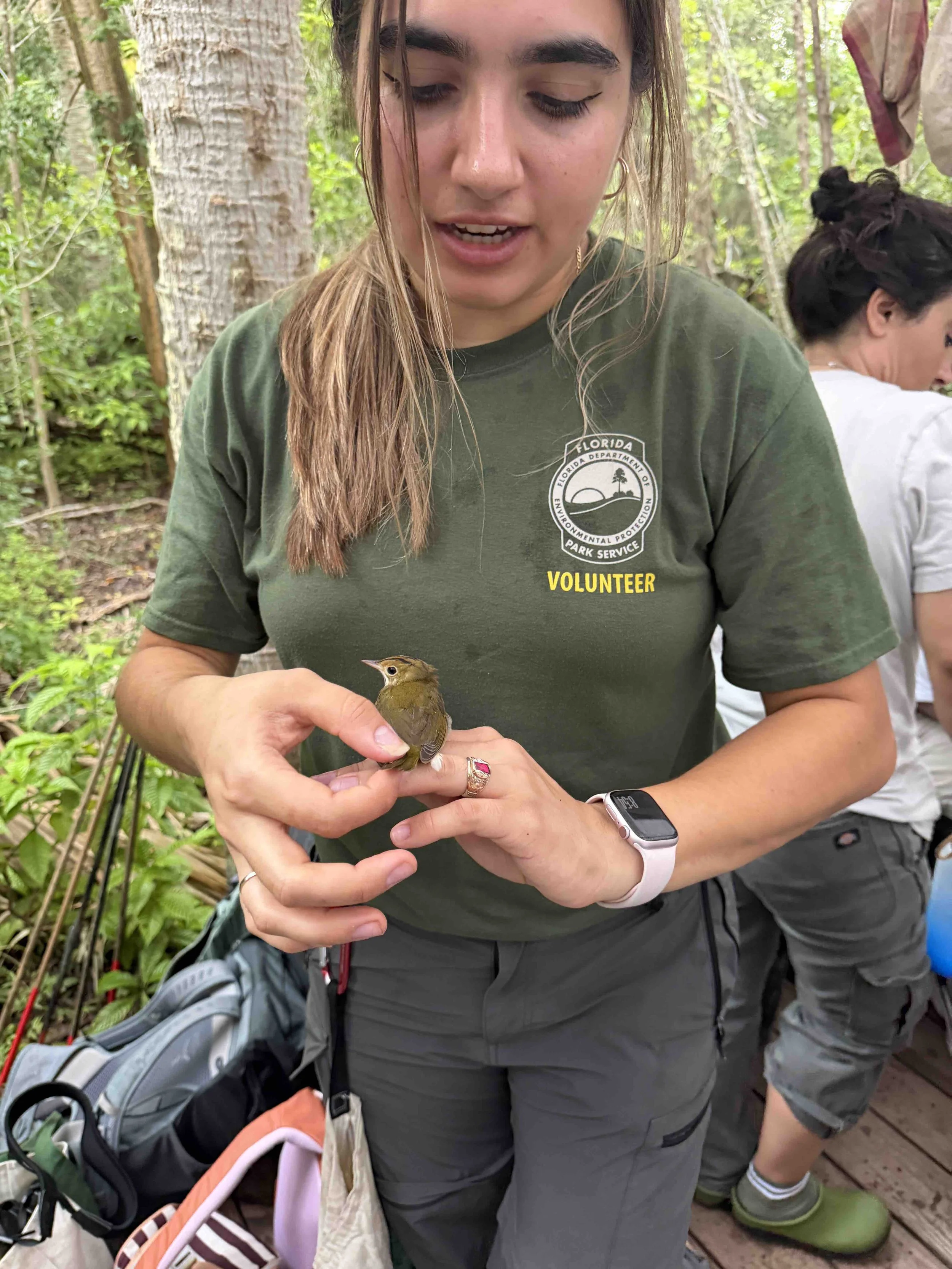
Among the birds we watched being banded were a Red-eyed Vireo, American Redstart and Ovenbird, each offering a rare chance to appreciate the intricate plumage and tiny details that can be difficult to see when these birds are flitting through the canopy.
The visit was also a wonderful reminder of the important role Bill Baggs Cape Florida State Park plays as a stopover for migratory birds. The data collected through bird banding helps researchers better understand migration timing, population trends, longevity and the long-distance connections between the places birds depend on throughout their annual journeys.
A little drizzle certainly didn’t dampen our spirits. There’s something especially memorable about seeing a migrant bird in the hand, knowing that within moments it will be released to continue a journey that may span thousands of miles.
Many thanks to Miriam and the Cape Florida Bird Banding Station team and volunteers for welcoming the Phoebes and sharing their knowledge, care and passion for migratory birds with us.
All birds were handled by trained volunteers as part of a permitted research project.